
Expensive Eye Creams and Other Fairy Tales

Disclaimer: The blog post you are about to read is unfiltered. Read at your own risk! ⚠️
Once upon a time, a $200 eye cream promised to fix everything.
The end.
Could you imagine if it were really that simple?
Imagine if one eye cream could fix your sleep schedule, lower your stress levels, erase your allergies, and override your entire genetic predisposition?
If only.
The beauty industry is full of fairy tales. Some are cute. Some are expensive. And some quietly wreck your skin while convincing you they’re helping.
From instant results to miracle ingredients, we’ve all fallen down the Alice in Wonderland rabbit hole at least once.
And the thing about fairy tales? They were ingrained in us so young that a tiny part of us still believes we’re one glass slipper away from perfect skin and a perfect life.
Spoiler: you’re not.
Let’s talk about the stories we’ve been sold, what’s actually true, and how to stop letting a billion-dollar marketing machine run your skincare routine like it owns the place.
No glass slippers. No magic jars. Just facts.
🌿 Natural = Better
Fairy Tale: If it’s natural, it’s safer for your skin.
Reality: Poison ivy is natural too. Let that sink in.
After 10+ years in this industry, I can confidently say I’ve seen more reactions from DIY “all-natural” skincare loaded with essential oils than I’ve ever seen from a well-formulated lab product.
Here’s the truth about labs: they create stability. They increase efficacy. They adjust pH and ingredient percentages to make products safer and more tolerable.
The more lab time? Usually the better.
Your skin does not care if an ingredient came from a plant or a beaker. It cares about molecular structure and whether it’s going to piss it off. And guess what? A lot of common irritants are completely natural.
And here’s the real kicker - cosmetic formulations are not regulated the way you think they are. So that “all natural, non-toxic, clean” label? It’s mostly vibes.
In a world where the internet tells you everything is poison, don’t fall for the fear-mongering bullshit. Choose formulas backed by research, testing, and actual science... and appropriate for your skin.
Not TikTok’s.
🙄 One Product Will Fix Everything
Fairy Tale: “This serum changed my skin in 7 days.”
Reality: Your skin is not that simple.
Skin works on a 28–40 day cycle. So what you’re seeing today is the result of decisions you made 1–1.5 months ago. Annoying? Yes. True? Also yes.
Most people are juggling oil production, dehydration, inflammation, pigment, aging, hormones, environmental stress; sometimes all at once. No single product can speak all those languages at the same damn time.
Think of your skin as a whole-ass factory. There’s a hydration department. A pH regulation department. A bacteria department (yep). Temperature control. Structural support. It’s busy in there.
Every department has to function well to produce that glowy, healthy skin you’re chasing.
Great skincare is actually boring as hell. It thrives on consistency and repetition. It’s not sexy. It’s not viral. It works.
Instead of buying every “miracle” product that pops up on your feed, build a stable routine that addresses multiple areas . . .and stick to it. Adjust as you age. Adjust as your skin changes.
Boring wins. Every. Single. Time.
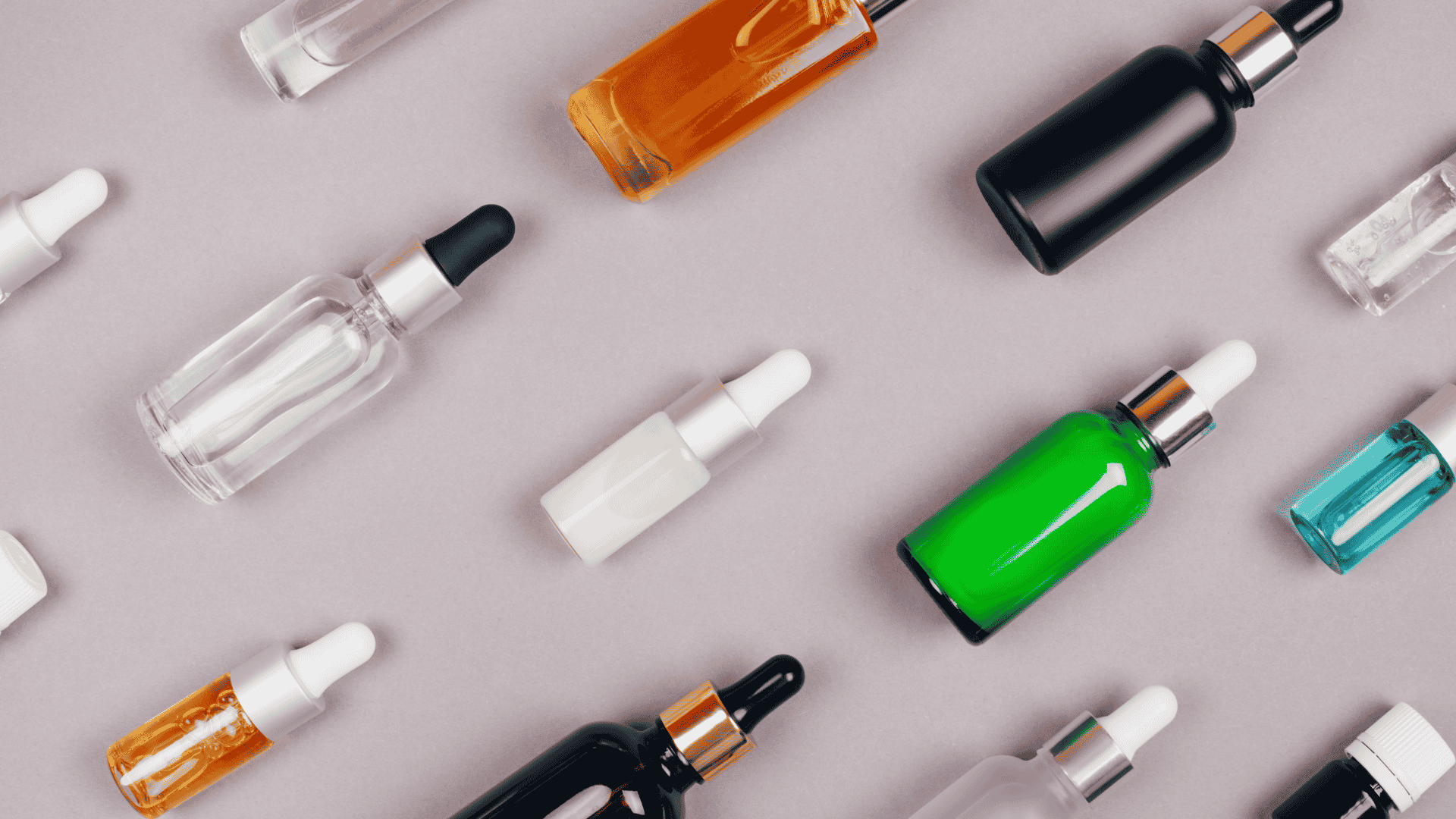
🫣 More Steps = Better Skin
Fairy Tale: If you’re not doing a 12-step routine, you’re slacking.
Reality: If you need a backpack for your skincare, we have a problem.
You are not doing your skin (or your wallet) any favors by clearing out an entire Ulta warehouse. And you’ll never get that time back. Go meditate. Touch grass. Drink water. That’ll do more for your glow.
Skin has a threshold. She will not keep taking a beating without fighting back.
The most common thing I see in 12-step routines? Three to four exfoliating products being used in absolutely devious ways. That’s how you blow up your barrier and end up in full repair mode for months.
Exfoliation is a fine line.
Too little? Thick and dull.
Too much? Damaged, sensitized, hyperpigmented, and mad as hell.
Now let’s go back to science class.
Healthy skin sits around a pH of 4.5–5.5. Slightly acidic. That acidity protects your barrier, balances your microbiome, and keeps everything functioning properly.
Many active ingredients (vitamin C, exfoliating acids, treatment serums) rely on specific pH levels to work.
When you apply one, your skin temporarily adjusts so it can perform.
But when you start stacking multiple serums with different pH levels back-to-back, your skin has to keep readjusting. If those products weren’t designed to work together, you could be disrupting the environment before the first one even finishes doing its job.
Translation? You might be layering faster than your skin can respond.
That miracle vitamin C? It needs the right conditions to penetrate. Follow it immediately with something formulated at a very different pH, and you could be reducing its effectiveness.
More layers don’t equal more results.
Sometimes it just equals confused, irritated skin.
Intentional layering > excessive layering.
More isn’t better. Better is better. Period.
💰 Luxury Price = Luxury Results
Fairy Tale: If it’s expensive, it must be better.
Reality: Pretty packaging is expensive as hell.
I have products on my shelves ranging from $150 to $15. I chose every one strategically — based on formulation, safety, ingredient synergy, and how skin actually responds.
Some formulas are absolutely worth $150. Some affordable ones perform beautifully.
But here’s where people get burned: companies can allocate their budget however they want. Lab testing? Or marketing. Research? Or influencer trips to Tulum.
Some brands invest heavily in R&D. Others invest heavily in aesthetics and hope you don’t read the ingredient list.
I’ve seen absolute garbage in a bottle selling for $200 because it smells like roses and looks cute on a shelf. Meanwhile, my Yorkie produces something equally useless in the backyard for free.
Expensive doesn’t automatically mean effective.
What you’re paying for is the outcome.
Are you paying for development or the bottle?
Ingredient lists don’t lie. Marketing absolutely does.
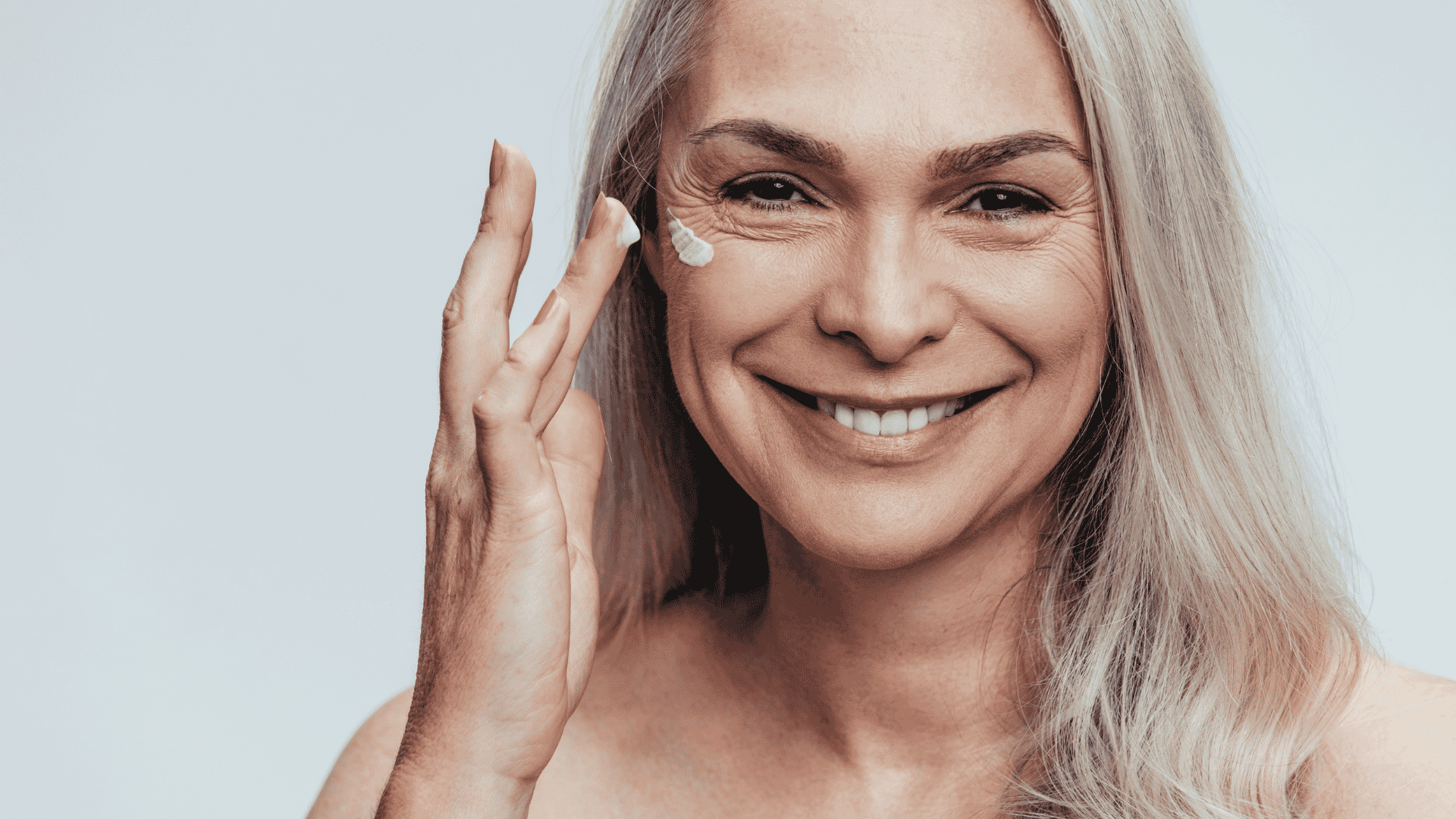
🙅🏼♀️ Anti-Aging = Age Erasing
Fairy Tale: We can stop aging.
Reality: Aging is not a failure.
If you ever hear me say “anti-aging,” please feel free to revoke my license and punch me in the face.
We don’t fight aging here.
We manage it.
Aging is biology - collagen loss, slower turnover, hormonal shifts, environmental damage. You cannot stop it. Your body is literally programmed for it.
Here’s what we can do:
We can slow visible damage from external stressors.
We can support and stimulate collagen.
We can keep your skin functioning at its healthiest level, so it ages strong instead of depleted.
Anti-aging is fear-based marketing.
Age management is strategic support.
One is a fantasy.
One is a plan.
🫡 The Final Takeaway
The beauty industry sells hope in pretty packaging.
My job is to sell you the truth... because that’s what actually gets results.
Skincare is complex. It’s seductive. It’s very easy to fall down the rabbit hole and convince yourself that the next product is the one.
So the next time you’re staring at a $450 shopping cart thinking, “This is it,” take a breath.
Put down the credit card.
Call us.
Let us pull you back into reality and towards genuinely healthy and happy skin.
Book a Consultation today ;)
Need guidance on skincare? Come in for a session!